


Facts and Health Benefits
of Red Light Therapy


Red light therapy
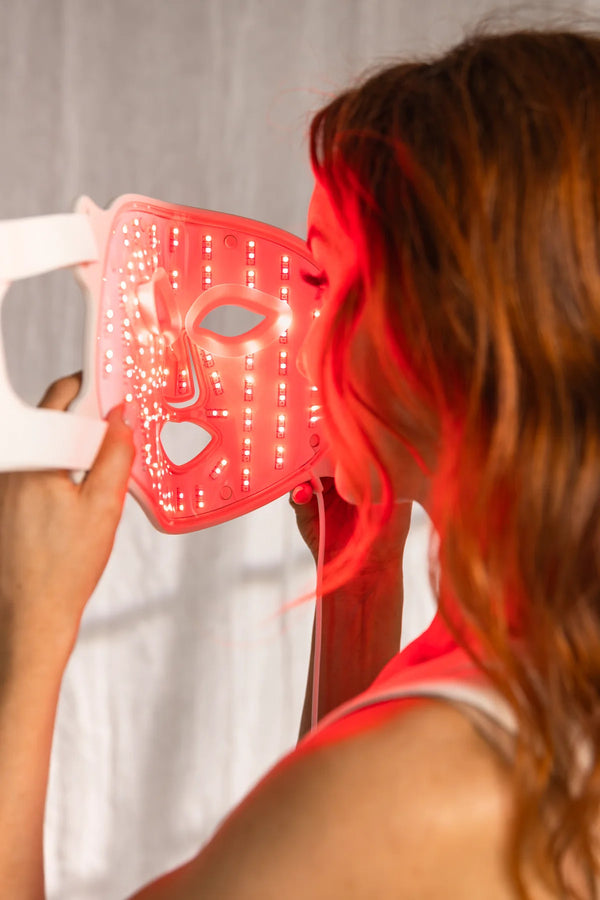
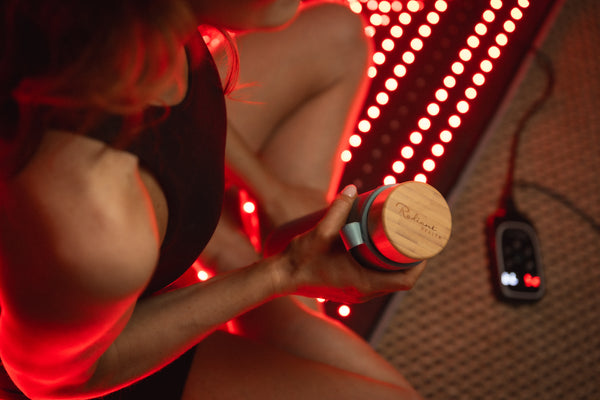
Red light therapy – also known as Red Light Therapy (RLT), low-level laser therapy, low-power laser therapy, and photobiomodulation (PBM) – uses specific wavelengths of red and near-infrared light (NIR) to stimulate cells naturally. This increases the production of ATP (adenosine triphosphate), the cells' primary energy source. The result is that cells have more energy to repair, renew, and optimize their functions – which can lead to noticeable effects on health, skin, and well-being.
Radiant Health uses advanced LED technology in all our red light products. LED lights emit stable and precise wavelengths, making them ideal for targeted light therapy.

Red and near-infrared light
• Red light (RED) has a shorter wavelength and is mainly absorbed in the upper layers of the skin. It is particularly beneficial for skin health, collagen production, and the treatment of superficial pain and inflammation.
• Near-infrared light (NIR) penetrates deeper into the body and has a documented effect on muscles, joints, circulation, recovery, and inflammation.
The effectiveness of red light therapy is not only about wavelength but also about irradiance – that is, how much light energy hits the skin per second. When the correct wavelength is combined with optimal irradiance, cells are stimulated most effectively.
Studies on red light therapy use different technologies, such as LED, laser, and pulsed light, with varying wavelengths and treatment times. Therefore, results can vary. In addition, we all respond differently – depending on skin type, age, and lifestyle. While some notice effects quickly, others need a little more time and regular use.
The consistent finding, however, is clear: Red light therapy has documented health benefits – and can produce fantastic results! The key is to find the product and treatment that best suits you.
Unlike infrared heat treatment, red light therapy emits very little heat.
Health Benefits of Red Light Therapy
Stimulates collagen production
Red and near-infrared light penetrates deep into the skin and activates the mitochondria – the cells' energy factories. This provides skin cells with more energy to perform their tasks, including the production of collagen and elastin – two important proteins that give skin elasticity, structure, and firmness.
A study showed that red and near-infrared LED light increases the production of both collagen and elastin in skin cells, while also increasing cellular energy levels (ATP). This contributes to smoother, firmer, and more youthful skin.
In addition to stimulating collagen production, red and near-infrared light activates several biological processes in the skin. The light increases blood flow, reduces inflammation, and stimulates stem cells, which promotes the skin's natural repair and healing processes.
Increased collagen production provides:
- Smoother skin with more elasticity
- Reduction of fine lines and wrinkles
- Prevention of sagging skin over time
- Increased skin density and strengthened skin barrier
In short: The skin gets more "building blocks" to stay young and strong.
Stimulates collagen production
Red and near-infrared light penetrates deep into the skin and activates the mitochondria – the cells' energy factories. This provides skin cells with more energy to perform their tasks, including the production of collagen and elastin – two important proteins that give skin elasticity, structure, and firmness.
A study showed that red and near-infrared LED light increases the production of both collagen and elastin in skin cells, while also increasing cellular energy levels (ATP). This contributes to smoother, firmer, and more youthful skin.
In addition to stimulating collagen production, red and near-infrared light activates several biological processes in the skin. The light increases blood flow, reduces inflammation, and stimulates stem cells, which promotes the skin's natural repair and healing processes.
Increased collagen production provides:
- Smoother skin with more elasticity
- Reduction of fine lines and wrinkles
- Prevention of sagging skin over time
- Increased skin density and strengthened skin barrier
In short: The skin gets more "building blocks" to stay young and strong.
Reduces signs of aging
With age, the body's natural production of collagen and elastin decreases, while the skin's ability to renew cells weakens. Red light therapy can help counteract this by stimulating the skin's own repair processes and giving cells more energy for regeneration.
The light penetrates deep into the skin and helps reduce visible signs of aging such as fine lines, wrinkles, sagging skin, and uneven skin tone. It also has an anti-inflammatory effect, which is important because inflammation accelerates skin aging.
A study using pulsed LED red light therapy (660 nm) showed a 31% increase in type 1 procollagen levels and an 18% reduction in MMP-1, an enzyme that breaks down collagen. Clinical assessments also showed a significant reduction in both wrinkle depth and skin roughness after 12 treatments.
Several studies have also shown that LED light therapy stimulates the skin to produce more fibroblasts, which in turn leads to increased production of collagen and elastin. The result can be smoother skin, improved elasticity, fewer wrinkles, and faster wound healing.
Benefits of regular use:
- Reduced lines and wrinkles
- More even skin tone and texture
- More radiance and vitality
- Increased firmness and elasticity
In short: a natural and safe lift for the skin – completely without needles or interventions.
Improves skin conditions such as acne, eczema, and psoriasis
Red light therapy has a documented anti-inflammatory effect and helps balance the immune system's activity in the skin. This makes the treatment both gentle and effective – even for sensitive skin.
In a study with 28 participants, red and blue light therapy were compared in the treatment of acne. The improvement rate for inflammatory and non-inflammatory lesions was 51.5% and 17.3% respectively in the group receiving red light therapy, compared to 26.4% and 10.0% in the blue light therapy group.
Another study documented that red and near-infrared light reduces inflammation in the skin by activating the body's own defense mechanisms. This makes red light therapy a promising alternative or supplement for chronic skin conditions such as acne, eczema, and psoriasis, as well as other inflammation-related skin problems.
With regular use, red light therapy can help reduce acne breakouts by calming inflammation and supporting the skin's natural healing processes. It can also alleviate symptoms of eczema and psoriasis by reducing irritation and itching, while strengthening the skin barrier.
Benefits for problematic skin:
- Reduced breakouts and redness from acne
- Less itching and irritation from eczema
- Reduced flaking from psoriasis
- Increased skin comfort and a more even skin tone
In short: Red light therapy soothes the skin from within and supports the body's own healing ability.
Reduces inflammation in skin and tissue
Red light therapy can influence the body's immune response by dampening overactive inflammatory processes. The light penetrates deep into the tissue and helps regulate the level of pro-inflammatory signaling molecules, while also supporting the cells' energy production and repair capabilities.
This can lead to less redness, swelling, and heat – typical signs of inflammation – and a faster recovery from inflammatory conditions in the skin, muscles, and joints. Red light therapy can therefore be particularly useful for chronic inflammatory conditions such as joint pain, tendonitis, and skin diseases.
A study showed that treatment with red and green light reduces the production of inflammatory cytokines in skin cells. The effect is controlled, among other things, by activating Nrf2 – the body's most important defense against oxidative stress and inflammation. At the same time, the light dampens the activation of the skin's immune cells and thus helps calm local immune reactions.
An extensive scientific review also shows that photobiomodulation (PBM) – of which red light therapy is a part – can reduce inflammation at the cellular level by affecting mitochondrial energy production, reducing oxidative stress, and balancing immune activity in inflamed tissues. Documented effects have been observed in the skin, joints, muscles, and nervous system, among others. Overall, research suggests that red light therapy can play an important role as a supportive treatment for inflammation-related skin and tissue conditions.
Benefits of reduced inflammation:
- Less pain and swelling
- Increased mobility and less stiffness
- Improved skin comfort in inflammatory skin conditions
- Faster recovery after injury or strain
In short: a natural way to calm the body – from the inside.
Pain relief
Red and near-infrared light stimulates blood circulation, thereby helping to reduce inflammation in pain-prone tissue. The light also affects nerve pathways and can increase the release of endorphins – the body's own pain-relieving substances.
When red light therapy is applied locally to areas such as the back, neck, shoulders, or joints, many report less pain and improved function. The effect has been documented for both acute discomfort and chronic conditions such as osteoarthritis, muscle pain, and neuropathic pain.
A clinical study investigated the efficacy and safety of high-intensity LED light therapy in 23 patients with hand osteoarthritis. Participants received eight treatments over four weeks, targeting the most painful finger joints. The results showed a significant reduction in pain, and researchers concluded that the treatment was both safe and effective.
A larger review study has compiled extensive documentation on how photobiomodulation (PBM) – of which red light therapy is a part – with near-infrared light alleviates pain and inflammation in joint diseases such as osteoarthritis and rheumatoid arthritis. The light acts directly on inflamed joint structures, reduces the production of inflammatory signaling molecules, and promotes repair in damaged tissue. In addition, the review shows that PBM affects specialized cells in the joints and contributes to improved function – without the side effects often associated with medications.
Several other studies support the effect:
- A randomized, double-blind study with 18 participants showed significant pain relief (VAS) after LED treatment (red 660 nm + infrared 850 nm) three times a week for two weeks, compared to the control group.
- In a study with 30 young women who received cluster laser and LED treatment three times a week for four weeks, a significant reduction in pain and improved functional ability was reported.
- A pilot study with 10 participants also found a clear reduction in stiffness after LED treatment in the neck and shoulder.
A research review concludes that PBM – both low-intensity laser and LED light – appears to be a safe, effective, and non-invasive supplement or alternative to traditional pain-relieving treatments for musculoskeletal complaints.
Benefits of targeted pain relief:
- Reduced need for pain medication
- Less stiffness and increased mobility
- Improved quality of life for chronic pain sufferers
- Safe and non-invasive treatment with no side effects
In short: Relief – exactly where you need it most.
Promotes wound healing
Red light therapy has been shown to accelerate the body's natural wound healing process by stimulating cellular energy production, improving microcirculation, and increasing the production of growth factors needed to build new tissue. The light increases oxygen supply to the wound tissue and promotes the formation of new blood vessels and skin cells, while reducing inflammation and the risk of infection.
A meta-analysis from 2024 shows that photobiomodulation (PBM) – of which red light therapy is a part – provides 13–38% greater reduction in wound size and up to 16 times higher probability of complete healing compared to standard treatment.
Another meta-analysis from 2025, which included 11 studies with 657 patients with diabetic foot ulcers, found a nearly five-fold increased chance of complete healing, greater wound contraction, and a lower infection rate when PBM was added to usual wound care.
A study with 100 patients showed that 66% of superficial diabetic foot ulcers were completely closed after 15 days of 660 nm red light, while the control group showed minimal progress.
Benefits of faster wound healing:
- Shorter healing time
- Less scarring
- Reduced risk of infection
- More comfort and less discomfort
In short: faster repair – and stronger skin afterwards.
Supports good gut health
Research suggests that red light therapy may have a positive effect on gut health by reducing inflammation and supporting mitochondrial function in the cells of the intestinal lining. When these cells receive more energy, the barrier function is strengthened, as is the gut's ability to regenerate itself.
Animal models for ulcerative colitis show that daily irradiation of the abdomen with red LED light reduces mucosal damage, dampens proinflammatory cytokines, and preserves tight cell junctions in the intestinal mucosa. Other animal studies report, among other things, lower disease scores and higher levels of the anti-inflammatory signaling molecule IL-10 after light therapy.
A human study also showed increased diversity of beneficial gut bacteria after 11 weeks of 904 nm laser treatment over the abdomen, suggesting light-induced improvement of the gut microbiome.
In this review article, red light therapy was shown to have potential as a therapeutic approach to improve gut health by reducing inflammation, strengthening the epithelial barrier, and modulating the gut microbiome. However, further research is needed to establish effective treatment protocols and understand the underlying mechanisms.
Although human studies are still in their early stages, preliminary clinical observations suggest that photobiomodulation (PBM) – of which red light therapy is a part – may be beneficial for managing symptoms of IBS and other gastrointestinal disorders.
Benefits of better gut health:
- Less bloating and discomfort
- Better nutrient absorption
- Reduced inflammation in the gut tissue
- Strengthened immune system (approx. 70% of the immune system resides in the gut)
In short: A calmer and more balanced gut – with light as medicine.
Better sleep
Red light therapy has gained increasing attention in recent years as a natural method to support better and deeper sleep. Unlike blue light from screens and modern lighting – which inhibits the sleep hormone melatonin – red light appears to support the body's natural circadian rhythm without disrupting sleep onset or sleep quality.
Research also suggests that red and near-infrared light can help to activate the brain's "washing facility" – the glymphatic system – which, during deep sleep, removes waste products that can otherwise accumulate and be linked to neurological diseases such as Alzheimer's and Parkinson's.
A small but promising study on patients with mild to moderate Alzheimer's showed that 12 weeks of near-infrared light therapy led to improved sleep, reduced agitation, and increased cognitive function – without side effects.
In addition, other research indicates that red light has a calming effect on the nervous system and can help the body enter deep rest and recovery.
Although more research is needed, findings suggest that red light therapy – with regular use – can support both sleep and brain health.
Benefits of better sleep:
- Faster sleep onset
- Deeper and more continuous sleep
- Better recovery for body and mind
- Increased well-being and more energy
Increases energy levels
Red light therapy provides cells with more energy by stimulating mitochondria to produce more ATP – the cells' fuel. This effect occurs because light in the red and near-infrared spectrum activates the enzyme cytochrome c-oxidase in the electron transport chain, leading to increased oxidative phosphorylation and ATP production.
When cells function more efficiently, it manifests as increased energy, better concentration, and greater endurance – both physically and mentally. Animal studies show increased muscle endurance and higher ATP levels after treatment with LED light.
An animal study from 2015 showed that red and near-infrared LED therapy increased ATP production in muscle cells and significantly improved physical endurance, with maximum effect approximately 6 hours after treatment. There was a strong correlation between ATP levels and performance, suggesting that light therapy provides real energy improvement in cells.
By supporting the body's fundamental energy production, red light therapy can help you function better – which is also shown in recent studies on brain health and mitochondrial function.
Benefits of increased cellular energy:
- More physical and mental energy
- Better endurance and performance
- Increased concentration and clarity
- Reduced fatigue and exhaustion
In short: more power for the body – from the inside out.
Increases blood circulation
Red light therapy stimulates circulation, including microcirculation, by dilating blood vessels and increasing blood flow in both larger vessels and the smallest capillaries. This happens because light energy activates nitric oxide, a signaling molecule that causes blood vessels to relax and open.
In a study, 18 healthy individuals were exposed to red and near-infrared light on their skin. Researchers wanted to find out if this could increase the level of nitric oxide (NO) – a signaling molecule the body uses to dilate blood vessels and improve circulation. After a short period of light treatment, they could measure a clear increase in NO levels from the skin. This shows that the light directly stimulates the body to release more nitric oxide – without medication or heat – which may explain why red light therapy often leads to better blood circulation and a feeling of warmth in the skin. The study confirms that red and near-infrared light causes the body itself to release a substance that opens blood vessels, leading to better flow of blood and nutrients to tissues and muscles.
A review has examined how photobiomodulation (PBM) – of which red light therapy is a part – actually affects the body's blood vessels. Researchers have identified several mechanisms by which light – especially red and near-infrared – contributes to better circulation. When the body is exposed to certain types of light, the following happens, among other things:
- Nitric oxide (NO) is released from enzymes in the cells (such as cytochrome c-oxidase), causing blood vessels to dilate.
- Light also stimulates another enzyme (eNOS) that naturally produces NO in the blood vessel walls.
When blood vessels become stiff or narrow – endothelial dysfunction – circulation is reduced. This is common with stress, aging, and certain lifestyle diseases, among other things. The study shows that light therapy can reverse this impairment, allowing blood vessels to function normally again.
In other words, light therapy can help the body produce and release more nitric oxide (NO), a signaling molecule that causes blood vessels to relax and open. This leads to better blood circulation and can be particularly useful for poor blood flow or stiff arteries.
The result is better transport of oxygen and nutrients to tissues and organs, while waste products are removed more efficiently. Increased blood circulation thus leads to both faster healing and more energy in the body.
Benefits of improved circulation:
- Increased oxygen supply to cells
- Faster removal of waste products
- Improved skin quality and radiance
- Reduced swelling and stiffness
In short: better flow throughout the system – for a more functional body.
Supports muscle recovery
After physical activity, the body needs time and resources to repair and build muscles. Photobiomodulation (PBM) – of which red light therapy is a part – can support this process. The treatment uses red and near-infrared light, which contributes to improved blood flow, reduces the inflammatory response, and stimulates cellular energy production.
The light penetrates deep into the tissues and activates mitochondria – the cells' own "powerhouses" – which produce ATP, the energy molecule that drives cell function and repair. The result can be faster tissue repair, less muscle soreness, and a reduced risk of overuse injuries.
Red light therapy can therefore be a valuable tool for both recreational exercisers and athletes who want better recovery and more consistency in their training.
A review of randomized controlled trials (RCTs) in athletes showed that low-level laser therapy (LLLT) – a form of red light therapy – can promote faster recovery after exercise. Athletes who received light therapy had lower levels of inflammatory markers such as creatine kinase (CK) and interleukin-6. They also showed better strength and endurance in the days following exercise (24–96 hours).
Another review study showed that PBM used before training could improve performance by increasing the number of repetitions and extending time to exhaustion. At the same time, lower levels of biochemical markers for muscle damage were observed.
In a controlled study with young men, a single red light LED treatment, given immediately after bicep training, was associated with reduced muscle soreness, strength loss, and limited range of motion for up to four days after training.
Another study compared LED light therapy with both ice baths and active rest, and reported that light therapy provided the greatest reduction in creatine kinase, blood lactate, and subjective muscle soreness. This suggests that red light therapy can be an effective alternative for recovery.
An extended review of clinical studies in untrained individuals, recreational exercisers, and elite athletes showed that both pre- and post-training red light therapy with red or near-infrared light can provide several benefits. Improvements in muscle strength and number of repetitions, reduced inflammation and oxidative stress, lower creatine kinase levels, and less subjective muscle soreness were documented.
Benefits for recovery:
- Faster muscle repair
- Less soreness and stiffness
- Increased training frequency and performance
- Reduced risk of overuse injuries
In short: a shorter path from tired to strong – with light helping the body to recover.
Boosts the immune system
Red light therapy, also known as photobiomodulation (PBM), can support the body's natural defenses by increasing cell energy, activating important immune cells, and reducing harmful inflammation.
Studies show that PBM can activate immune cells such as monocytes and increase the production of signaling molecules that help the body fight infections. A review study also suggests that the treatment affects several key immune cells – including macrophages, T-cells, and dendritic cells – which can be relevant for both infections and chronic inflammatory conditions.
In animal studies, it has been observed that PBM can affect the balance of signaling molecules that control inflammation (cytokines), and contribute to reducing inflammation. The effect appears to be even stronger when the light pulses.
PBM has also been shown to reduce oxidative stress and inflammation in muscles after physical activity, which can contribute to faster recovery and support the immune system during this phase. In addition, the treatment can improve microcirculation, so that immune cells are transported more quickly to areas where they are needed. This makes red light therapy useful both for preventing illness and for promoting faster recovery after infections.
Potential benefits for the immune system:
- Increased activation of monocytes and other immune cells
- Better regulation of inflammation levels
- Faster recovery and shorter disease progression
- Increased general immune resistance
In short: Red light therapy strengthens the body's natural defenses, reduces inflammation, and helps you recover faster – for a stronger and more balanced immune system.
Supports hormonal balance
In several smaller studies, red light therapy has shown positive effects on the body's hormonal system. The treatment influences the circadian rhythm and important hormone-producing glands such as the hypothalamus and pituitary, and can thus contribute to better balance in levels of cortisol, melatonin, and sex hormones, among others.
By stimulating the mitochondria – the cells' "powerhouses" – the production of ATP, the body's most important energy molecule, increases. This leads to improved cell function, reduces inflammation and oxidative stress, and can contribute to a more stable hormonal balance. In addition, red light supports hormones that regulate collagen production and skin moisture, which can result in firmer and more balanced skin – even during periods of hormonal fluctuations.
Studies suggest that red light therapy can be beneficial for a variety of hormonal challenges, especially in women. The treatment appears to be able to alleviate symptoms of PMS and menstrual pain, support women with PCOS, and contribute to increased well-being during menopause. Red light therapy can also help with low testosterone levels – a hormone that also plays an important role in women, especially after menopause, by affecting energy, muscle strength, and libido.
A systematic review of studies on men shows that treatment with red and near-infrared light can have several positive effects on fertility and hormonal health. Light therapy appears to improve sperm quality and motility, increase testosterone production, and strengthen mitochondrial activity – which collectively contributes to better cell function and general health.
With regular use, red light therapy, also known as photobiomodulation (PBM), can contribute to better sleep, reduced stress, and support hormonal balance during PMS, menopause, or low energy levels. The effect is based on improved cell function and reduced inflammation – two important factors for hormonal stability.
Benefits of better hormonal balance:
- Fewer mood swings and anxiety
- Increased stability in energy levels and sleep
- Reduced stress impact on the body
- Improved well-being through the menstrual cycle and menopause
In short: Inner balance – for better health and quality of life.
